Rare salt water Hippopotamuses in Orango Island - Guinea-Bissau
Hippopotamuses
Rare salt water Hippopotamuses in Orango Island

Hippopotamuses

Rare salt water Hippopotamuses in Orango Island

This is Guinea Bissau, Africa You Don't See on TV #GuineaBissau Africa Ep. 6
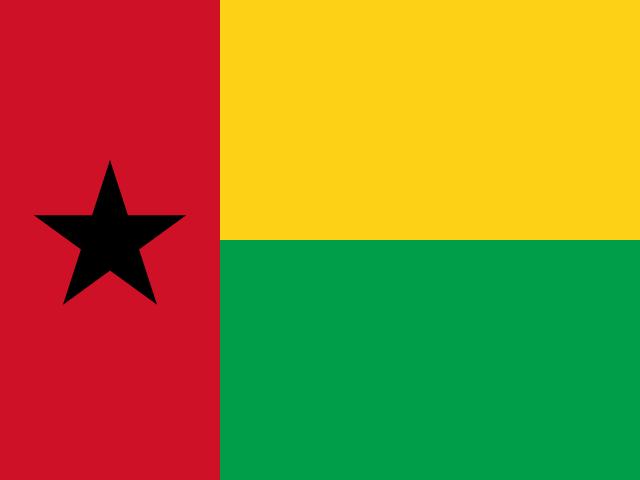
Guinea-Bissau flag

Guinea-Bissau Travel Information

Temp icon
Overview icon

Key facts

Capital:

Bissau

Location:

Western Africa, bordering the North Atlantic Ocean, between Guinea and Senegal

Currency:

Communaute Financiere Africaine francs (XOF)

Area:

36,125 sq km

Population:

1,976,187 (July 2021 est.)

Languages:

Portuguese-based Creole, Portuguese (official; largely used as a second or third language), Pular (a Fula language), Mandingo

Religion:

Muslim 45.1%, Christian 22.1%, animist 14.9%, none 2%, unspecified 15.9% (2008 est.)

TimeZone:

UTC 0

Tel Code:

+245

Things to Do

  • 1. Explore the Bijagos Archipelago

    Embark on a journey to the remote and pristine islands of the Bijagos Archipelago. Discover untouched beaches, witness unique wildlife, and immerse yourself in the vibrant local culture.

  • 2. Visit the Cufada Lagoons Natural Park

    Experience the breathtaking beauty of the Cufada Lagoons Natural Park. Explore the diverse ecosystem of wetlands, spot a wide variety of bird species, and enjoy peaceful boat rides along the lagoons.

  • 3. Discover the Ruins of Bolama

    Step back in time and explore the ruins of Bolama, the former capital of Portuguese Guinea. Marvel at the colonial architecture, wander through the streets lined with decaying buildings, and learn about the island's intriguing history.

  • 4. Go on a Wildlife Safari in Cantanhez Forest

    Embark on an exciting wildlife safari in Cantanhez Forest. Encounter rare and endangered species such as chimpanzees, elephants, and pygmy hippos in their natural habitat.

  • 5. Explore the Cashew Nut Plantations

    Delve into the fascinating world of cashew nuts by visiting the cashew nut plantations in Guinea-Bissau. Learn about the cultivation and processing of cashews, and enjoy tasting the delicious nuts.

  • 6. Relax on the Beaches of Bissau

    Indulge in a relaxing beach getaway on the shores of Bissau. Soak up the sun, swim in the crystal-clear waters, and savor fresh seafood at beachside restaurants.

  • 7. Visit the Fortaleza de Cacheu

    Explore the historic Fortaleza de Cacheu, a 17th-century fort that played a significant role in the colonial history of Guinea-Bissau. Admire its well-preserved architecture and learn about its military past.

  • 8. Take a Boat Trip along the Geba River

    Embark on a scenic boat trip along the Geba River, the longest river in Guinea-Bissau. Enjoy the picturesque views of the surrounding mangroves, spot local wildlife, and visit fishing villages along the way.

  • 9. Explore the Old Town of Bubaque

    Discover the charm of the old town of Bubaque, located on the island of the same name in the Bijagos Archipelago. Wander through narrow alleyways, observe traditional fishing practices, and interact with friendly locals.

  • 10. Attend the Bissau Carnival

    Experience the vibrant Bissau Carnival, a colorful celebration featuring lively parades, traditional music and dance performances, and elaborate costumes. Immerse yourself in the festive atmosphere and join in the festivities.

Weather

Climate

Guinea-Bissau has a tropical climate, with hot and humid temperatures throughout the year. There are two main seasons in the country: the dry season, which runs from November to May, and the rainy season, which runs from June to October. The rainy season is characterized by heavy rainfall, particularly in the coastal areas.

Best Time to Visit

The best time to visit Guinea-Bissau is during the dry season, from November to May, when temperatures are warm and dry. This is the peak tourist season, and is a great time to explore the country's beaches, forests, and wildlife. The rainy season can make travel more challenging, with heavy rainfall and flooding in some areas, so it is best to avoid visiting during this time.

Food

Accommodation

Guinea-Bissau offers a range of accommodation options for visitors, from budget-friendly options to luxury hotels. Here are some of the most popular options:

Hotels and Resorts

Visitors to Guinea-Bissau can choose from a range of hotels and resorts, ranging from budget-friendly options to luxury properties. Many of these are located in the capital city of Bissau, as well as in other popular tourist destinations, such as the Bijagos Archipelago.

Guesthouses and Hostels

For budget-conscious travelers, there are a number of guesthouses and hostels available in the country, offering basic accommodation at an affordable price. These options are often located in the cities and towns, and provide a convenient base for exploring the area.

Campsites

For those looking for a more adventurous experience, there are a number of campsites available in Guinea-Bissau, offering the opportunity to sleep under the stars in some of the country's most stunning natural areas. These options are often located in national parks and other protected areas, and provide a unique way to explore the country's wilderness.

Traditional Accommodation

For a truly authentic experience, visitors can opt to stay in traditional accommodation in Guinea-Bissau, such as a local homestay or a traditional Bijagos hut. These options offer a unique glimpse into the country's local culture and way of life, and provide an opportunity to immerse yourself in the local community.

Transportation

Guinea-Bissau offers a variety of transportation options for visitors, ranging from taxis and buses to boats and planes. Here are some of the most popular options:

Taxis

Taxis are a common mode of transportation in Guinea-Bissau, and are a convenient option for getting around the cities and towns. They are usually metered, but it is a good idea to agree on the fare before setting off.

Buses

Buses are a popular mode of transportation in the country, and are a cost-effective way to get around. They operate between the cities and towns, and also provide connections to neighboring countries such as Senegal and Guinea-Conakry.

Boats

Boats are a key mode of transportation in Guinea-Bissau, particularly in the coastal areas and the Bijagos Archipelago. Visitors can take local boats to explore the islands, or opt for a guided tour to discover the area's unique ecosystems and wildlife.

Planes

For longer distances, visitors can take a flight to their destination. Guinea-Bissau has a small but functional airport in Bissau, which has connections to other cities in West Africa, including Dakar, Banjul, and Conakry.

Money

Currency

  • The national currency of Guinea-Bissau is the West African CFA franc (XOF).
  • It is advisable to carry some cash in XOF for smaller purchases.
  • Credit cards are not widely accepted, so it's recommended to carry enough cash for your needs.

Cash And Cards

  • ATMs are available in major cities, but they might not always work or have sufficient cash.
  • It is recommended to carry enough cash with you, especially if you are traveling to remote areas where ATMs might not be available.
  • Notify your bank about your travel plans to avoid any issues with your credit or debit card.

ATMs

  • ATMs are available in major cities, such as Bissau and Gabu.
  • However, it's important to note that ATMs may not always work or have sufficient cash, so it's advisable to carry enough cash with you.
  • It's recommended to use ATMs located in secure and well-lit areas.

Tipping

  • Tipping is not very common in Guinea-Bissau.
  • If you receive exceptional service, you can show appreciation by rounding up the bill or leaving a small amount of change.
  • Tipping is more common in tourist areas, so it's up to your discretion.

Cost Of Living

  • Guinea-Bissau has a relatively low cost of living compared to many other countries.
  • Accommodation, food, and transportation are generally affordable.
  • However, prices can vary depending on the location and season.

Scams

  • Be cautious of scams targeting tourists, such as fake tour guides or taxi drivers overcharging.
  • It's advisable to negotiate prices beforehand and only use reputable tour operators.
  • Avoid displaying valuable items and keep your belongings secure at all times.